
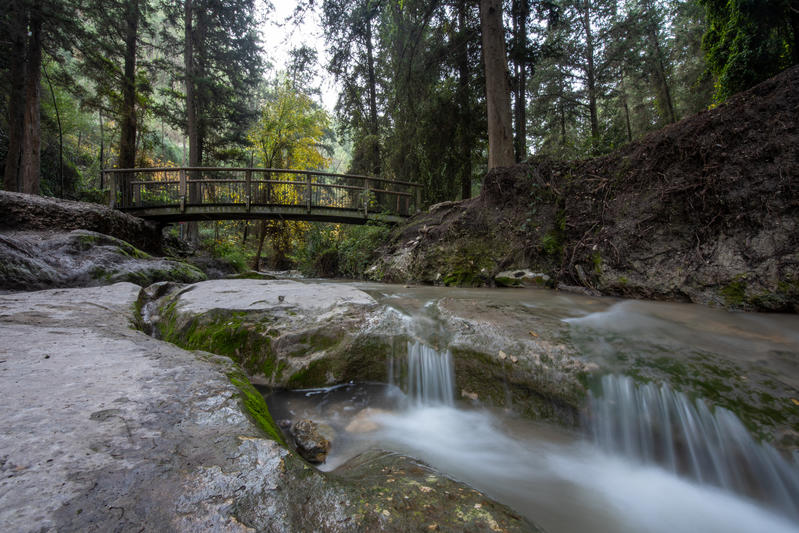
A plan to lay a large-scale sewer line within the route of the Hashofet Stream is currently provoking strong public opposition, due to concerns that this is a move that could lead to significant and even irreversible damage to one of the main natural sites in Israel.
According to the details of the plan, the laying of a sewer pipe with a diameter of almost a meter is being promoted, which is expected to pass within the stream area and serve the Yokneam area and the nearby mountain settlements.
Critics of the move claim that the very planning to move this type of infrastructure through the heart of the stream reflects a problematic planning intention, which ignores the environmental and public sensitivity of the place.
Nahal HaShofet is considered one of the few strong streams in the area, and is a major attraction for travelers from all over the country. Its accessible route attracts hundreds of thousands of visitors every year, including families and people with disabilities. The entire area is located within a UNESCO-recognized biosphere reserve, a fact that requires a particularly high level of caution in any infrastructure planning.
According to claims raised as part of the public opposition, laying a sewer line along the stream's route could cause direct damage to the ecosystem, landscape values, and archaeological sites.
Among other things, it is claimed that the work will include quarrying in strata spring areas and near ancient burial caves. In addition, there is concern about future environmental risks, such as leaks or malfunctions, as well as odor hazards due to ventilation openings along the line. Beyond the environmental implications, there is also criticism of the way the plan is being promoted.
Residents of the area, the leaders of the resistance, claim that decisions with such broad implications are made without sufficient transparency and without in-depth examination of planning alternatives outside the stream area.
The appeal to stop the plan was addressed, among others, to Yokneam Mayor Roman Peres, Megiddo Regional Council Head Gil Lin, as well as the Maayanto Ha'amakim Water Corporation, demanding that the move be stopped and alternatives be examined that would prevent harm to the sensitive area.