
The Ministry of Health revealed today (Tuesday) a sharp and alarming increase in rabies among animals in Israel, alongside a disturbing spillover of the disease from the north to urban areas in the center of the country and in Sharon.
Senior officials at the Ministry of Health have warned of the danger of encountering wild animals in cities, and are warning severely about the phenomenon of adopting dogs from war zones without supervision.
Rabies has recorded a geographical spread and a historic increase in its scope in recent years.
In a special briefing held by the Ministry of Health, it was clarified: "Rabies is a fatal disease. From the moment an animal or person is infected with it without preventive treatment, we are talking about almost 100% mortality.".
According to the data, between 2022 and 2025, there was a 252% increase in the number of confirmed rabies cases in animals, from 29 to 102 cases per year. The forecast for 2026 is about 150 expected cases.
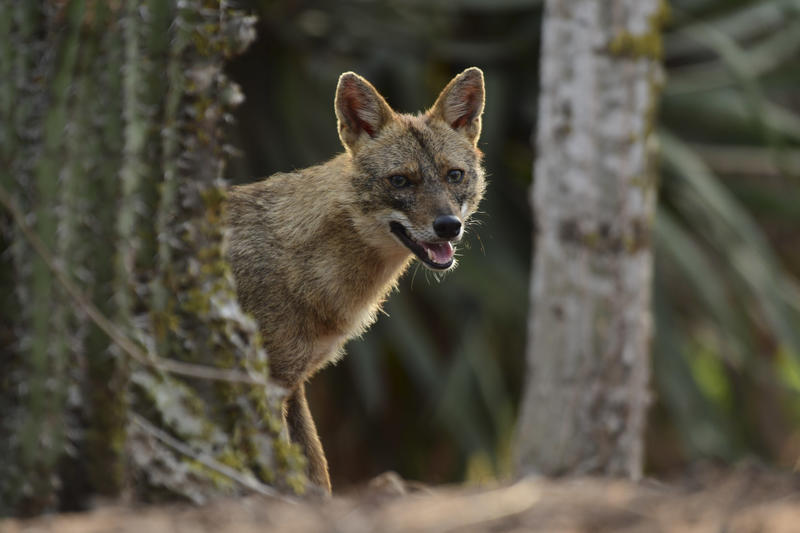
The Ministry of Health explained that one of the main factors for the surge in morbidity is a behavioral change among wild animals, with an emphasis on jackals and foxes, which currently account for about 601% of wild animals infected with rabies. While in the past the disease was concentrated mainly in the north of the country and the Golan Heights, today it has also spread widely to the Beit Shean Valley, the Hefer Valley, the Sharon area and Hadera.
This phenomenon exposes the public to the daily danger of contact with infected animals.
Prof. Sigal Sadetzky explained: "We have a much greater friction with wild animals that invade cities. Today we see jackals in yards, and they come to the streets for food, both from bins and from feeding points. I urge you not to leave food on the street. Even if you want to feed cats, you should do so and pick up the food later. Leaving food outside is the dangerous thing, because it brings uninvited animals with it. There should be no food scattered on the streets.".
The Ministry of Health has published guidelines in the event of exposure to rabies:
After any harmful contact - a bite, scratch, or contact of saliva with broken skin - with an animal suspected of being infected, the area should be washed thoroughly with soap and water for about 10 minutes.
Immediately after the initial rinse, you should urgently go to the local health office - or to the emergency room outside the office's operating hours - to assess the need for a series of preventive vaccinations.