Tens of thousands of Breslov Hasidim returned to Uman after Rosh Hashana, and now details about the preparations for the large kibbutz are being revealed. • A day before the holiday, senior government officials and security forces in Ukraine met with the elders and influential people of Breslov, headed by the Supreme Court Rabbi Moshe Kramer and the official rabbi of Uman, Rabbi Yaakov Shiloah, alongside the chairman of the 'Breslov Union in Uman', Rabbi Natan Ben Nun. • The meeting presented the preparations in the shadow of the war and the rabbis were asked to assist in passing on the instructions.
Tens of thousands of Breslov Hasidim who arrived in Uman on Rosh Hashanah have already returned to their homes. After the large kibbutz, we can now return to the days leading up to the holiday and to the preparations that took place behind the scenes for months, in cooperation with the authorities and security forces in Ukraine.
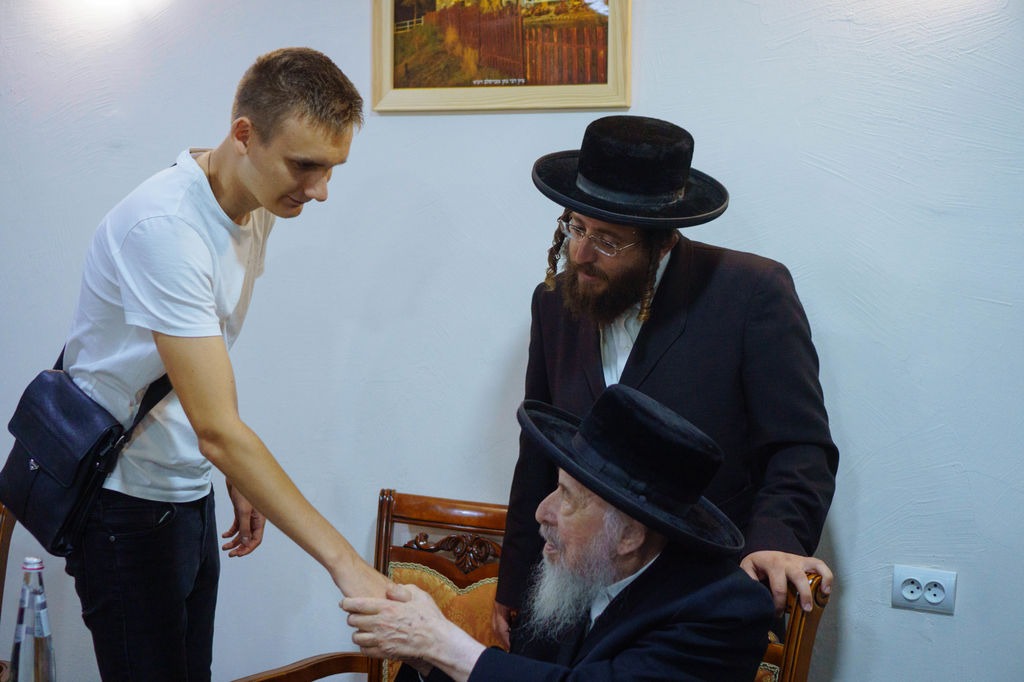
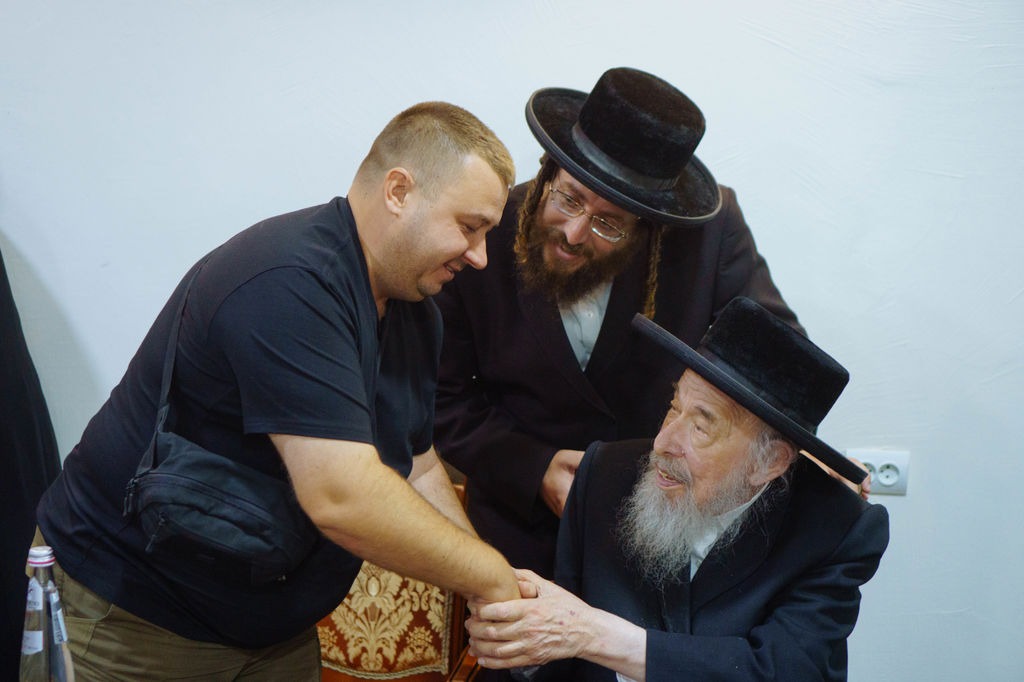
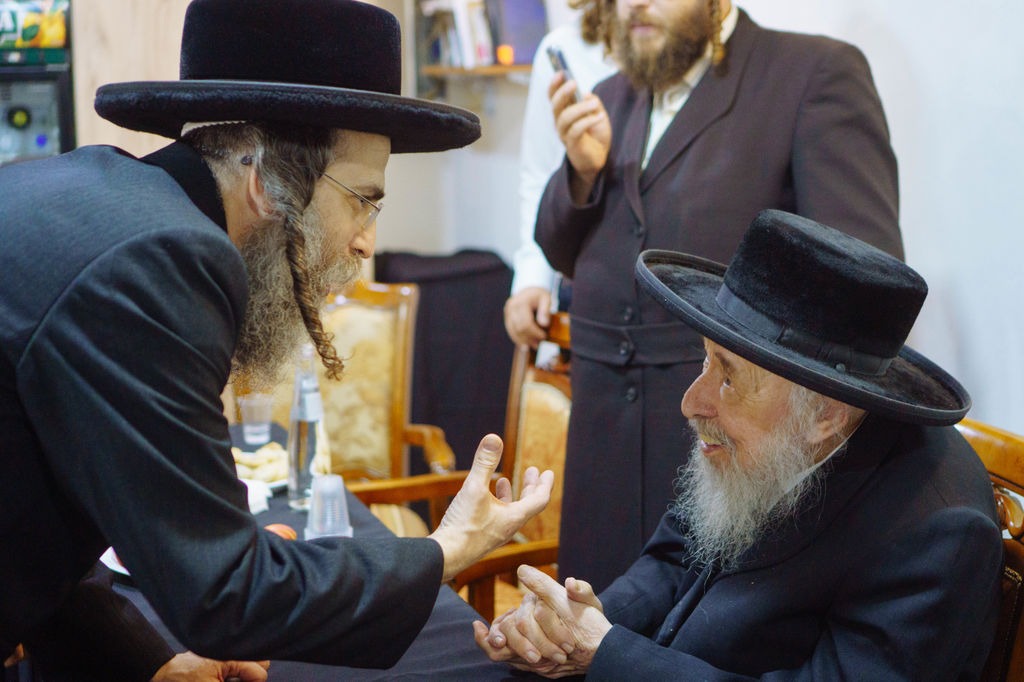
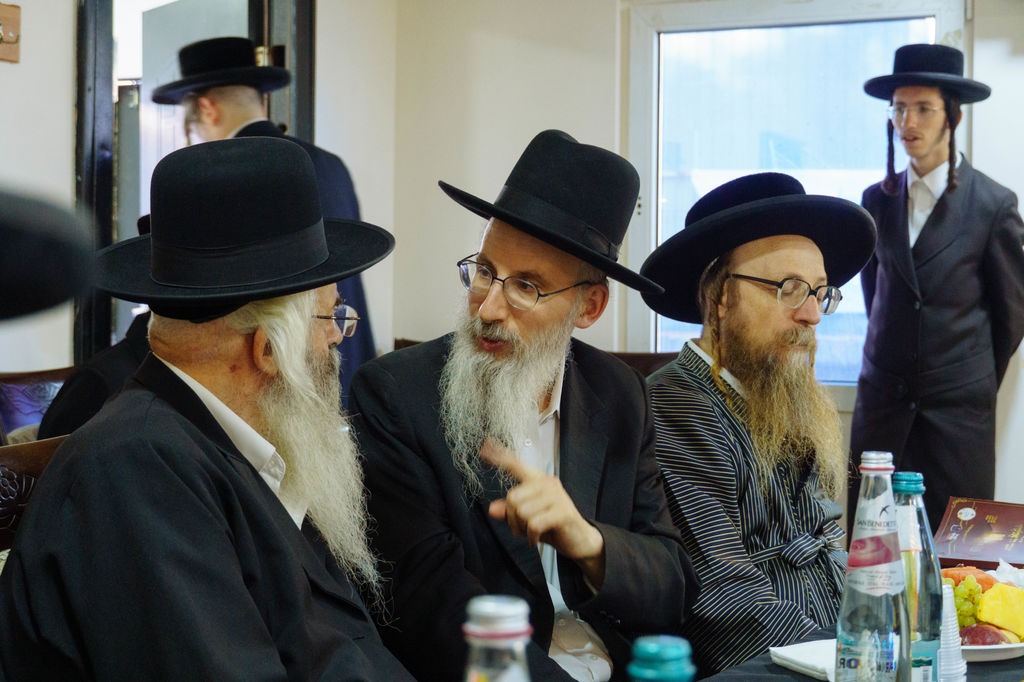
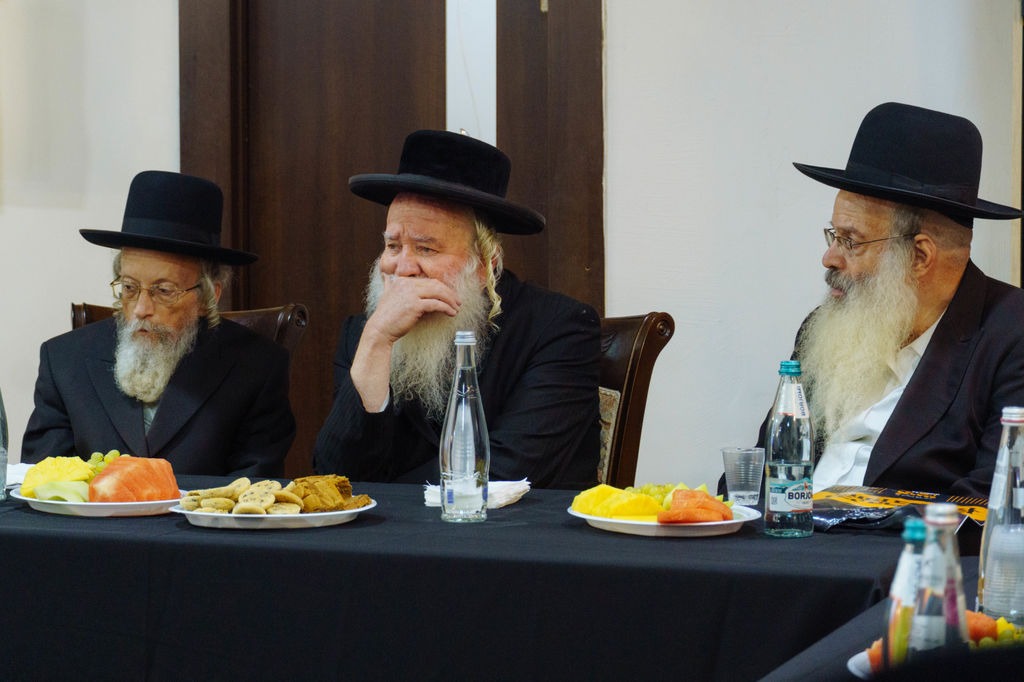
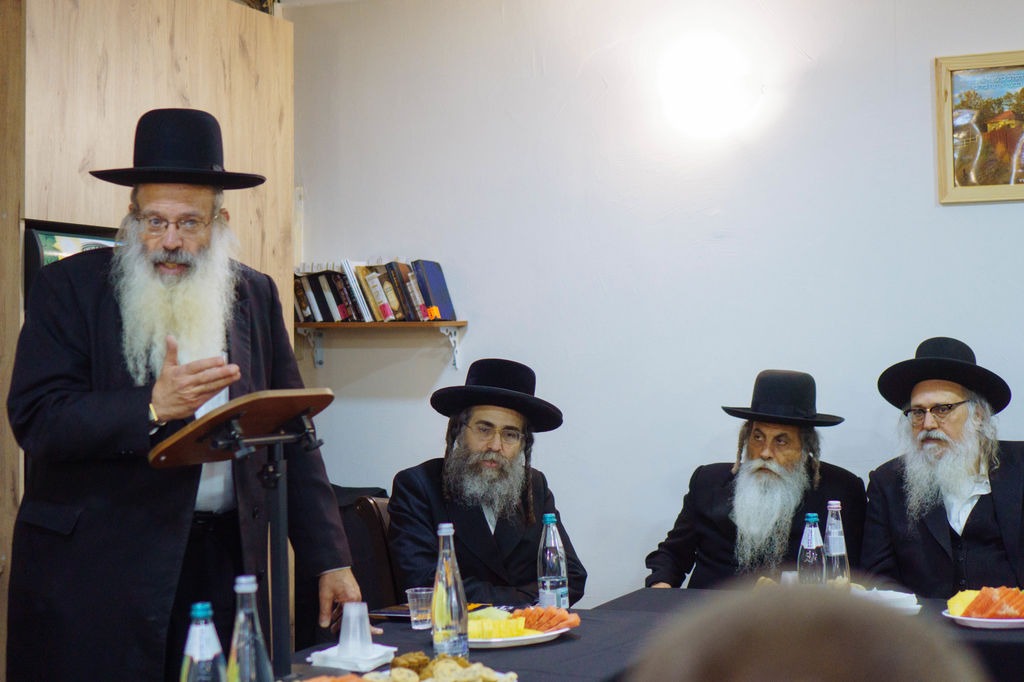
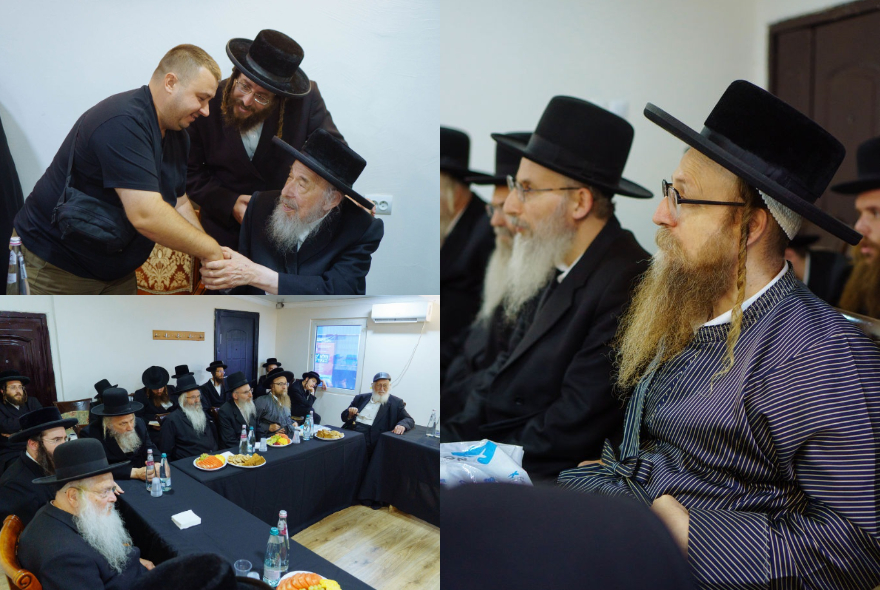
One of the high points of the preparations was about a day before Rosh Hashanah. Thousands of Hasidim had already filled the streets of Uman, and many more were still on their way to the city, and at that time a special meeting was held between senior Ukrainian government officials and security forces in charge of Rosh Hashanah events, the elders and influential people of Breslov, and representatives of the Breslov Union in Uman.
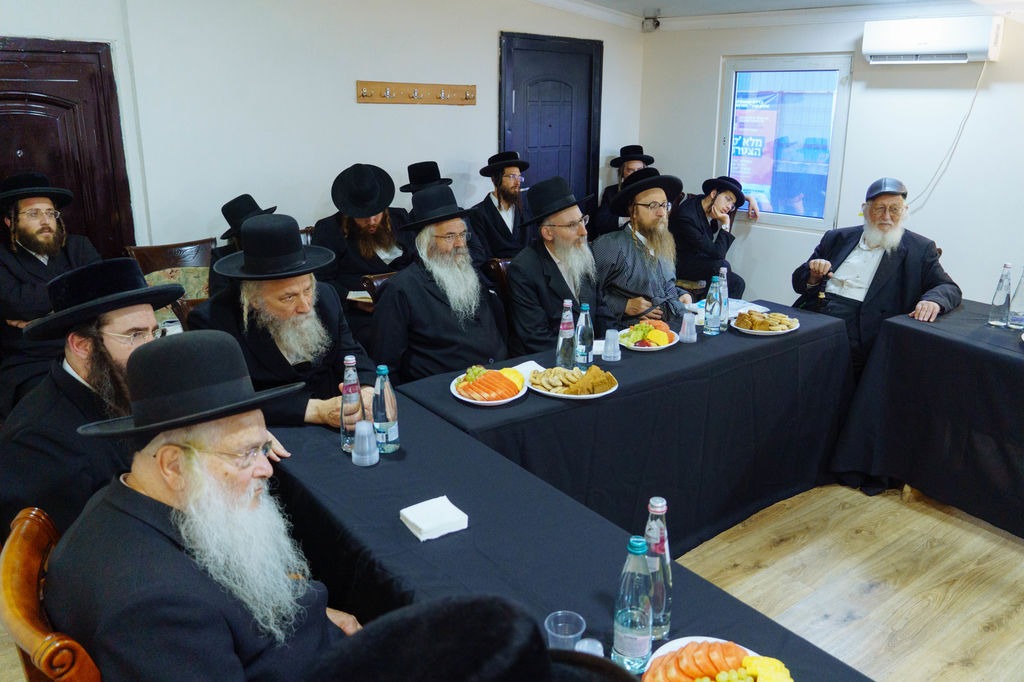
The meeting has been held traditionally for nine years, at the request of the authorities in Ukraine, and serves as a final coordination before the kibbutz. This year, in the shadow of the war and the security situation in the country, it took on a new importance. The meeting was held in the hall of the 'Breslav Union' located in the large cloister complex of the Breslav Hasidim in Uman.
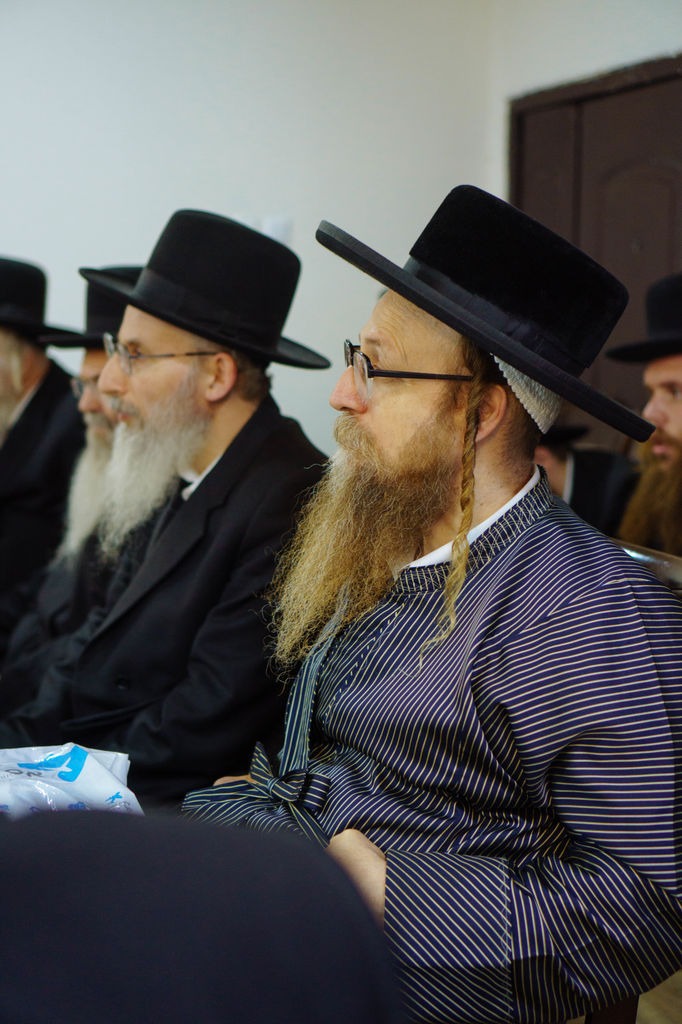
The rabbis were led by the rabbi Moshe Kramer and the official rabbi of the city of Uman, the gaon Rabbi Yaakov Shiloach, and alongside them was the chairman of the 'Ichud Breslov in Uman', Rabbi Natan Ben Nun. The meeting was also attended by a number of influential figures, rabbis, gabbaim and important activists of Breslov Hasidism - including: the gaon Rabbi Ephraim Koenig, leader of the nanmah community in Safed; the gaon Rabbi Natan Maimon; the gaon Rabbi Zvi Liebermansch; the gaon Rabbi Avraham Shimon Burstein; one of the most important recanters, the gaon Rabbi Shimon Teichner Khorish; the gaon Rabbi Shimon Eliyahu Bruin, and the head of the Breslov Kollel in Bnei Brak, the gaon Rabbi Yaakov Koenig.
Also participating were the heads of the activists and collectors, Rabbi Pinchas Zilberman, Rabbi Nachum Solrash, Rabbi Yehuda Kipnis, and the chairman of the Friends of the Cloisters Committee, Rabbi Eliezer Savitzky.
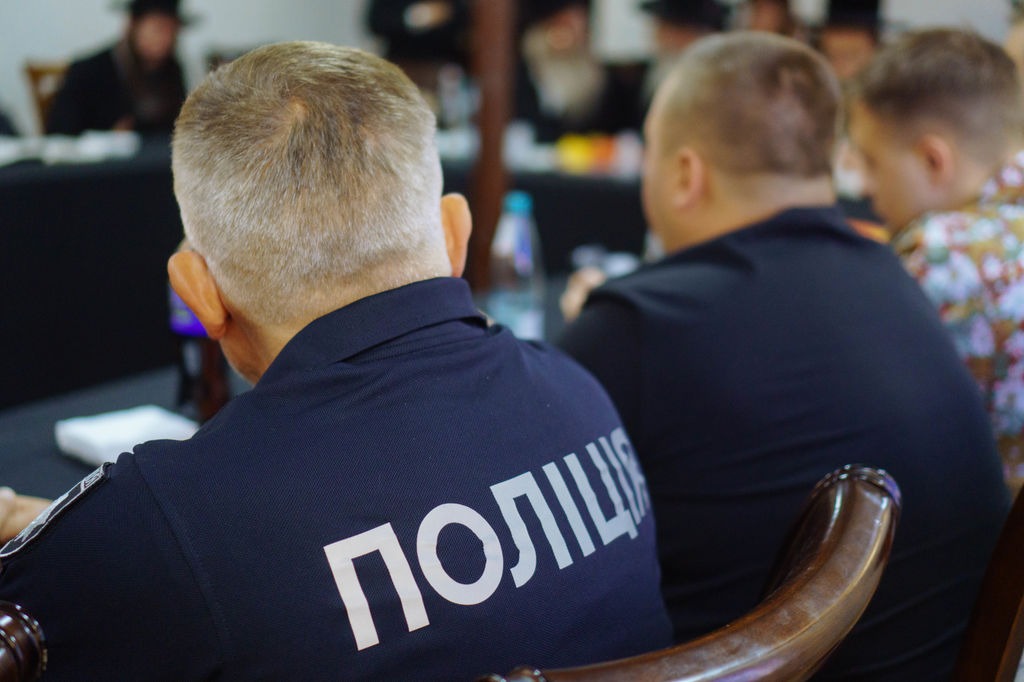
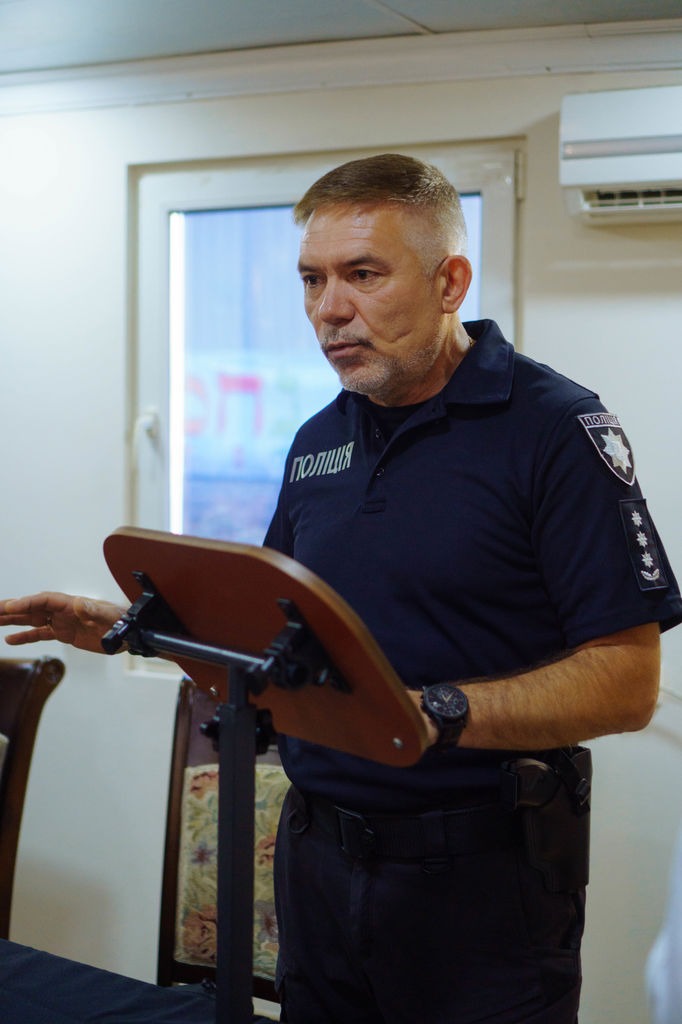
On the other side of the table sat the top security officials in charge of the kibbutz's security. Among the participants were representatives of the Ukrainian Security Service from Kiev, the commander of the Security Service in the Cherkas region, the commander of the service in Uman, the police chief in charge of kibbutz events, and other senior officials in the regional security forces.
The meeting was moderated by Rabbi Nachman Zvi Gwirtz of the Breslov Union - a confidant and confidant of the Breslov leaders, and was conducted with the assistance of a local interpreter. The chairman of the Breslov Union, Rabbi Natan Ben Nun, began by congratulating the Ukrainian people and the heads of government and thanking them for the efforts made to enable the kibbutz to exist again this year. In his remarks, he addressed the difficulties that accompanied the preparations in the months leading up to Rosh Hashanah, against the backdrop of the war and the complex security situation.
Several important influential figures later spoke. The meeting was closed by the High Chief Rabbi Moshe Kramer, who congratulated the heads of government and members of the security forces for their activities over the years to maintain the kibbutz and prayers in Uman, especially during the war.
From there, the discussion moved on to practical preparations. Security officials presented the rabbis with the situation and preparations for absorbing tens of thousands of immigrants. According to estimates presented at the meeting, the authorities were expecting the arrival of over 60,000 people from 46 countries at the time.
A central part of the discussion dealt with the emergency directives and the conduct required of the public during the war. Security officials asked the rabbis and public leaders to assist in conveying the directives to the tens of thousands of Hasidim and to emphasize the obligation to obey the directives. At the same time, they clarified that the police and security forces are preparing with reinforced forces to allow the observance of Rosh Hashanah in as orderly a manner as possible.
Within hours, the preparations discussed in the conference room became a reality on the ground. Thousands more arrived in the city, the cloisters filled up, and the arrangements that had been prepared over the months leading up to the holiday went into effect.
Now, after the kibbutz is over, it is also possible to get an idea of the scope of the activity through some of the data collected during the preparations and the holiday.
In the central Ashkenazi Cloister, approximately 10,000 worshippers participated in each of the holiday prayers, and in the Sephardic Cloister, approximately 3,000 worshippers participated in each prayer.
The heavy crowd was also felt at the central mikveh in the large Cloister complex in Uman. Ahead of Rosh Hashanah, approximately 10,000 entrance tickets to the mikveh complex were purchased in advance.
Alongside this, a system for distributing drinking bottles operated throughout the gathering period. In the days leading up to Rosh Hashanah and during the holiday, the Breslav Union distributed approximately 40,000 bottles of water.
These figures provide a glimpse into the extent of the preparations required for the arrival of the large numbers. Alongside security coordination with the authorities, synagogues, mikvahs, and a range of infrastructure and services were required for the immigrant community.
Upon the conclusion of the kibbutz, the Breslav Union expressed appreciation to the Ukrainian government and security officials for their cooperation and the efforts made this year, despite the war conditions, to enable the Hasidim to arrive in Uman and for the kibbutz to be held on Rosh Hashanah.
The preparations meeting held on the eve of the holiday was actually one of the last stops in the work that continued throughout the year. Shortly after the rabbis and security personnel left the meeting room, the preparations they had talked about were already being tested in the field.
Behind the prayers in Zion, the full synagogues, and the tens of thousands of Breslov Hasidim who arrived in Uman on Rosh Hashanah, stood months of coordination with the authorities, security preparations, and infrastructure preparation. During the war years, this work became an integral part of the possibility of maintaining the large kibbutz in Uman.
Photo credit: SBU