A four-year-old boy, a resident of Holon, is hospitalized in serious condition due to an invasive infection caused by the meningococcal bacteria.
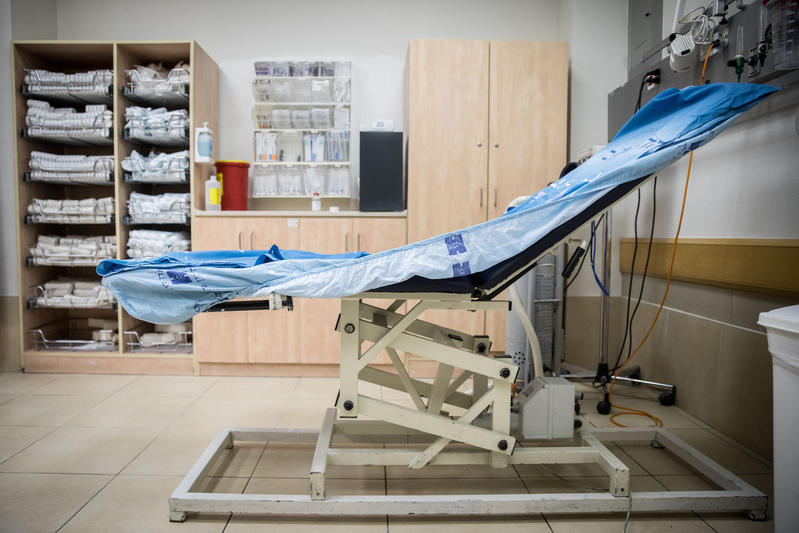
According to a statement from Wolfson Medical Center, the child arrived at the Wolfson Pediatric Emergency Room with symptoms that developed rapidly, and after medical tests, he was diagnosed as suffering from an invasive bacterial infection.
His condition is now stable.
Dr. Diana Tescher, director of the hospital's pediatric department, said that the child arrived at the pediatric emergency room in critical condition. "This is one of the most violent, dangerous, and rapidly progressing infections we know of in pediatrics. The meningococcal bacteria can attack a completely healthy person and, within a few hours, lead to systemic collapse, septic shock, and a real risk to life," she explained.
Meningococcus is a bacterium that resides in the pharynx of 101% to 201% of the population and sometimes passes from carriers to active disease.
In some cases, the bacteria penetrates the bloodstream or nervous system and causes meningitis or sepsis (blood poisoning).
According to Dr. Tescher, the biggest challenge in treating these cases is that the initial side effects are non-specific, and very similar to a normal viral illness: fever, weakness, muscle aches, or headaches. However, the rate at which the disease escalates is dramatic. "Within just 24 to 48 hours, the patient's condition may deteriorate into a fulminant disease, and therefore any delay in diagnosis or treatment may be critical.".
The disease is most common in infants under the age of two and in populations that live in crowded conditions. Immunocompromised individuals are at increased risk of contracting it.
""We urge parents and medical teams to remain vigilant and recognize the warning signs. A stiff neck, apathy, or a petechial rash - purple-red dots that do not disappear when pressed - are classic warning signs. If they are identified, urgent medical treatment should be sought in the emergency room.".
In Israel, there is a vaccine against the meningococcal type B bacteria, called Bexsero, which according to Dr. Tescher is the most common strain in Israel. The vaccine is not included in the vaccination routine, but is recommended for all children up to the age of 5, and especially up to the age of 2.