A special halachic guide was distributed to visitors to the medical center, containing detailed instructions for Rosh Hashanah, Yom Kippur and Sukkot. • Minyanim in a variety of texts led by cantors, shofar blowing in the wards, symbol sets, continuous halachic response, spacious Sukkot and four-species sets for everyone in need.
In preparation for the High Holidays of 2017, Hadassah Medical Center has completed comprehensive preparations at both medical centers - Ein Kerem and Mount Scopus - with the aim of enabling hospitalized patients, companions, and staff members to observe the holiday mitzvahs and pray in the atmosphere of the High Holidays, even inside the hospital.
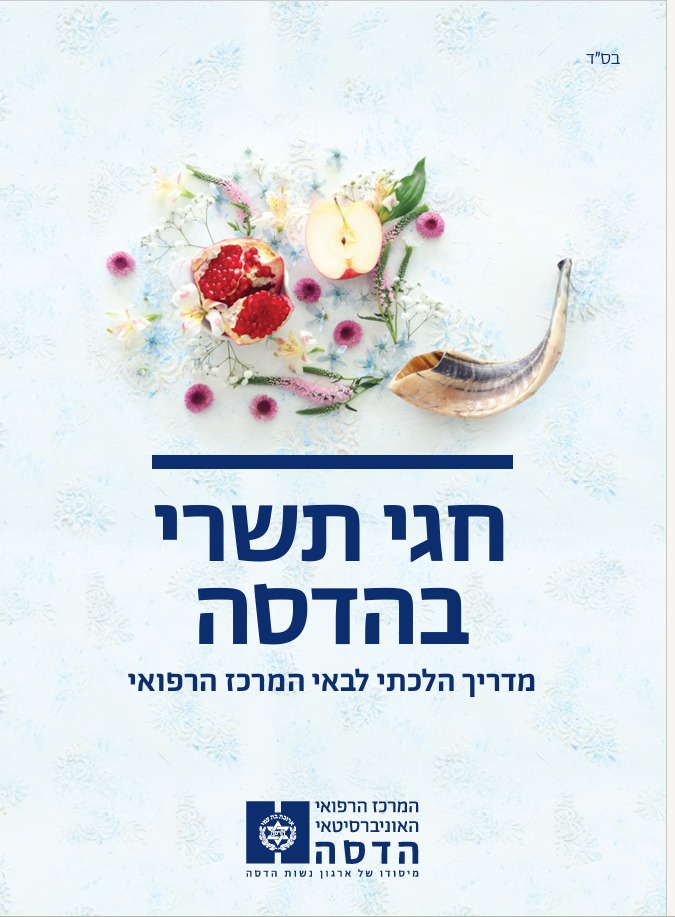
Alongside medical and logistical preparations, special emphasis was placed this year on the Torah and halakhic framework, centered on a new and detailed guide prepared for visitors to the medical center in preparation for Rosh Hashanah, Yom Kippur, and the holiday of Sukkot.
The guide, entitled "Tishrei Holidays at Hadassah - A Halachic Guide for Visitors to the Medical Center," brings together in one place the prayer schedules, holiday times, and practical instructions regarding the special situations of patients and hospitalized patients. It deals, among other things, with blowing the shofar for those who have difficulty getting to the synagogue, special laws such as prayer schedules for the weak, Yom Kippur laws for patients who need food or drink, the mitzvot of the sukkah, and taking the four kinds at the medical center. In this way, Hadassah seeks to enable even those who are in the midst of medical treatment to spend the days of mercy and forgiveness in a connection as fully as possible to prayer, the mitzvot, and the atmosphere of the holiday.
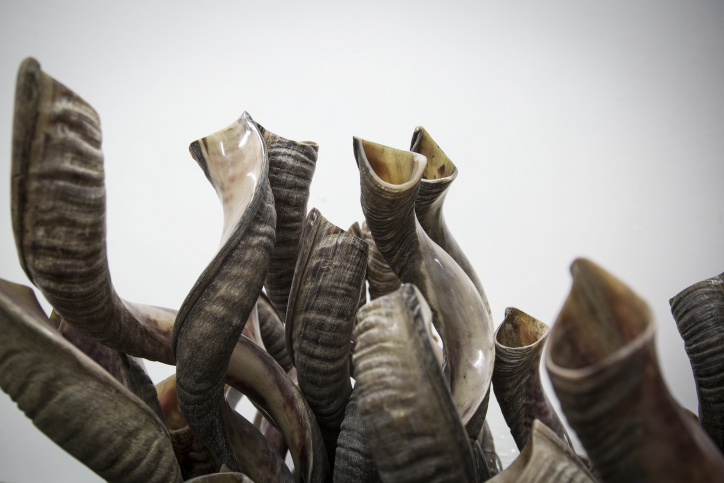
During Rosh Hashanah, Hadassah synagogues will hold minyanim in a variety of versions, led by professional prayer leaders and cantors, with plenty of mazhors prepared for worshipers of all denominations. Rosh Hashanah symbol kits will be distributed to hospitalized patients alongside the holiday meals, and the Medical Center Rabbinate's emissaries will visit the wards for shofar blowing, kiddush, and havdalah. Even those who have difficulty going down to the synagogue will be able to hear a full seder of tikiot in the ward, as it is customary, and the guide even provides detailed instructions regarding tikiot seder for patients, such as patients who cannot stand during the tikiot, and more.
One of the most prominent highlights in the booklet is the connection between halakhah and medical reality. For example, alongside the strict observance of the sanctity of Yom Kippur and the observance of the fast, it is clearly emphasized that when a patient is medically and halakhically prohibited from fasting, fulfilling the Creator's will is precisely in preserving his life and health.
The guide emphasizes that any decision regarding fasting, eating, or drinking during classes requires personal consultation with a specialist physician and a teaching instructor. The Medical Center Rabbinate is available for ongoing halachic advice on the subject.
The preparation also finds special expression in the prayers themselves. On Yom Kippur, prayers will be held in large numbers in the synagogues in Ein Kerem and Mount Scopus, led by professional prayer leaders. For hospitalized patients who have difficulty praying the entire prayer order, a booklet provides focused instructions regarding the main parts of the prayers.
In preparation for the holiday of Sukkot, spacious Sukkot will be erected at Hadassah for the hospitalized, their companions and visitors, and dozens of fancy sets of the four species will be made available to the public. The guide also includes special instructions for patients, companions and medical staff regarding the mitzvah of sitting in the Sukkah and taking the four species. In addition, holiday prayers, Simchat Beit Hashoeva and Kafet are expected to be held in the synagogues with great joy, while Simchat Torah ceremonies are also detailed in the booklet for the two medical centers.
Hadassah notes that, alongside the meals, minyanim, cantors and special siddurim, continuous halachic support from the medical center's rabbinate will be provided throughout the holiday period. Overnight stays for companions will be possible in designated places, as they are every Shabbat and holiday, and the entire arrangement is designed to allow patients and their families to spend the month of Tishrei inside the hospital without giving up, to the extent their condition allows, prayer, mitzvah and a holiday atmosphere. Thus, even between the hospitalization wards and treatment rooms, Hadassah seeks to introduce the melody of the High Holy Days and the joy of the holidays into the medical routine.