
One thousand dunams of watermelon-growing areas across the country have been destroyed by an unusual virus that affects watermelons. This is about 10% of the total growing areas in the country.
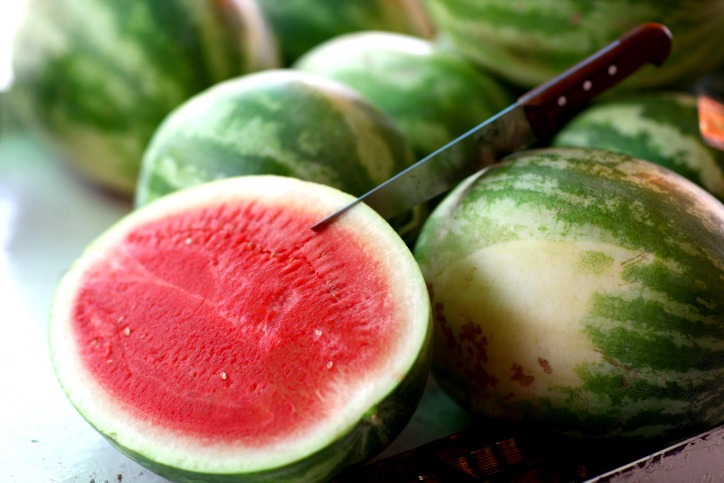
McEnt - the Agricultural Natural Damage Insurance Fund - reported today (Wednesday) that the virus directly affects the texture and taste of the fruit, and the watermelons become floury, appear immature and sometimes display a white interior or yellow stripes that give them an overripe appearance.
However, it was emphasized that the virus is not dangerous to humans, and the infected watermelons are not dangerous to eat.
Kent would like to emphasize and clarify that this is a virus that only affects the texture and taste of the watermelon, which disqualifies it for marketing. This damage is currently being recorded in agricultural plots spread throughout the country, including the Jordan Valley, the Lower Galilee and the south, mainly around Gaza.
According to the foundation, in addition to the weather damage to crops at the beginning of the season, this year there was an outbreak of a squash virus 5–6 times higher than average.
The foundation explained that the damage to the industry began during the month of March, which was characterized by heavy cloud cover and relative cold. These climatic conditions led to a dramatic and significant reduction in the volume of the crop.
It was also reported that the damage was felt mainly in the warm areas where the first watermelons of the season ripen - the northern Bekaa Valley and the Spring Valley, areas that provided very little harvest of early watermelons during the month of May.
The watermelons are already rejected in the field.
Because the watermelon harvest itself involves very high costs, estimated at 2,000 shekels per dunam, Kent is taking immediate action to prevent additional and unnecessary losses for farmers. When Kent assessors arrive to inspect a damaged field, a sample inspection is performed.
If this inspection reveals that some of the watermelons are damaged and as a result the farmer wants to destroy the entire field, the farmer is compensated by Kent. In this way, Kent prevents farmers from the heavy expenses associated with harvesting, transporting to points of sale, and subsequently rejecting the produce in the markets after the logistics costs have already been paid.
The watermelon marketing season runs from mid-April to August. As of today, there are significant growing areas across the country that have not yet ripened, and the great fear is that this damage may only be discovered later, when it is time to harvest them during the summer months.
Kent warns that the end is not yet in sight and the damage to agricultural fields may develop and expand to thousands of additional dunams.