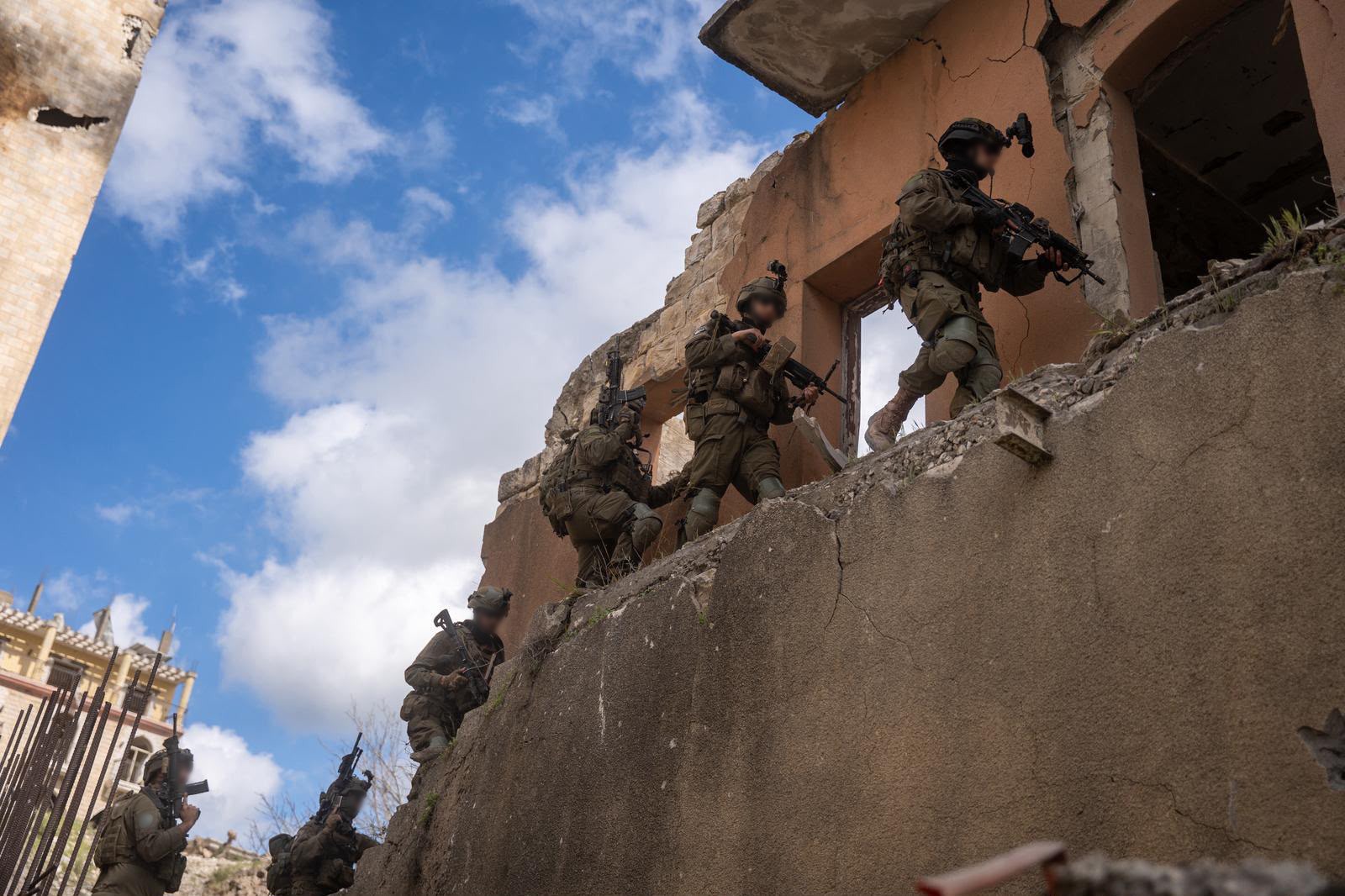
Three years since the October 7 massacre: The IDF published today (Wednesday) data summarizing its activities during the three years of the war - from the fighting in the Gaza Strip to the attacks in Lebanon, Syria, Iran and Yemen, alongside data on Judea and Samaria and the extensive changes made to the reserve force.
The data:
• Since the beginning of the war, the IDF has attacked approximately 100,000 targets in all sectors. Approximately 65,000 of them were attacked in the Gaza Strip, approximately 28,000 in Lebanon and Syria, approximately 4,500 in Iran, and approximately 80 targets in Yemen.
• Tens of thousands of missiles and drones were launched at Israel from various theaters. Approximately 10,200 items were launched from the Gaza Strip, approximately 20,000 from Lebanon, approximately 1,200 from Iran, approximately 90 from Yemen, and approximately 50 from Syria.
• Casualty figures for the three years of the war: 970 were killed in operational circumstances. In addition, more than 701,300 of the soldiers who were injured during the war returned to service.
• In Judea and Samaria, more than 3,800 weapons have been located and confiscated since the beginning of the war.
• Approximately 45,000 wanted persons were arrested or detained for questioning. These include dealers and possessors of weapons, wanted persons who planned to carry out attacks in the immediate future, terrorist operatives, stone and Molotov cocktail throwers, and terrorist aides.
• In Judea and Samaria, more than 46 million shekels were confiscated, which, according to the IDF, were intended for terrorism.
Changes in the reserve system
IDF data also indicates the significant change that the reserve force has undergone since October 7.
Since the beginning of the war, the reserve force has increased by approximately 361,000 men, and at the same time, new frameworks were established and staffed in accordance with the operational needs that developed during the fighting.
Among other things, the Hashomer Brigade, the David Brigades were established as part of the establishment of the Gilad Division and Division 38. In addition, armor and collection frameworks, settlement defense systems, air defense and tactical air defense systems, policing and confinement frameworks, and additional frameworks were established in the Home Front Command.
Alongside the expansion of the reserve force, additional regular combat units were also established, as part of the effort to increase the order of forces, strengthen operational readiness and response, and reduce the burden on the regular and reserve forces.
One of the steps the IDF took to expand its ranks was to return reservists who had previously received exemptions, along with exhausting personnel who were not assigned or had not served for a long time and providing the option of returning to service voluntarily.
In August 2024, an executive order was implemented in accordance with the decision of the Minister of Defense, and as part of it, approximately 22,000 servicemen were returned from exemption.
During 2025, three exhaustion events were held, which included eight General Staff exhaustion days. 14,016 reservists were assigned to active units on the day of the interviews, and another 1,655 were assigned later after completing the processing of those who did not report to the original order.
In 2026, four additional General Staff exhaustion days were held. As part of these, 7,575 reservists were assigned to active units on the day of the interviews, and another 484 were assigned later.
Four additional exhaustion days are expected to take place in December, during which thousands of additional servicemen are expected to be assigned to combat and combat support roles.
At the same time, the IDF increased the number of discharged soldiers assigned to reserve units, including in professions where there was no assignment to the formation in the past. Following the move, there was an increase of approximately 38% in the number of servicemen assigned to reserve units upon their transfer from regular service.
The IDF says that the scope of the reserve force's operation since the outbreak of the war is unprecedented and has significantly changed the characteristics of the service.
This year, the scope of service is about 80 to 100 reserve days on average per combat unit, compared to a plan of about 55 days on average per year, due to operational need.
Along with the scope of service, the IDF also expanded the scope of assistance for reserve service members and their families. As part of government decisions and joint programs, grants were provided through the assistance fund, emotional and spousal assistance, tuition subsidies, vacation vouchers, housing benefits, student loans, and a digital wallet.
In addition, the "Circle of Service" plan was formulated, which is intended to provide the serviceman and his family with a solution throughout the various periods of service and to strengthen the resilience, well-being, and cohesion of the reserve units.