Archaeological excavations conducted last month at the Great Synagogue in Vilnius, Lithuania, fully revealed the synagogue's large central stage.
Excavations at the synagogue associated with the Vilna Gaon, which was destroyed by the Nazi and then Soviet authorities about 70 years ago, revealed exciting findings: parts of the prayer hall and women's ablution room, colorful floors, and chair plaques bearing the names of worshippers and the Ten Commandments.
The research and excavations at the synagogue and the community complex that developed around it - the Schulhof - have been taking place since 2011, this is the sixth season on behalf of the Lithuanian Excavations Society and the Lithuanian Antiquities Authority, funded by the Goodwill Foundation and in cooperation with the Jewish community in Lithuania, with the aim of preserving the remains of the synagogue, presenting them, and developing the site for the benefit of the Jewish community in Lithuania and the general public.
The excavation directors, Dr. John Seligman of the Israel Antiquities Authority and Justinus Rakas of the Lithuanian Excavation Society: "The removal of the old school building, which covered the historic synagogue, allowed us to reveal for the first time additional extensive and continuous parts of the heart of the building: the main prayer hall paved with colorful terrazzo floors decorated with floral and geometric patterns, nameplates, and many other findings that allow us an exciting, almost personal acquaintance with the people who prayed here and with the community life that took place around the synagogue for centuries.".
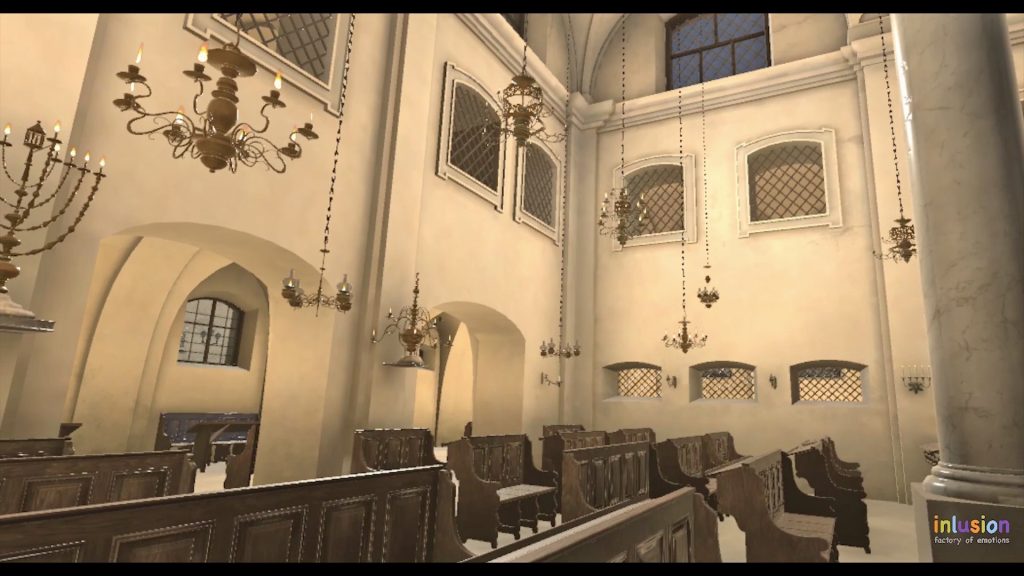
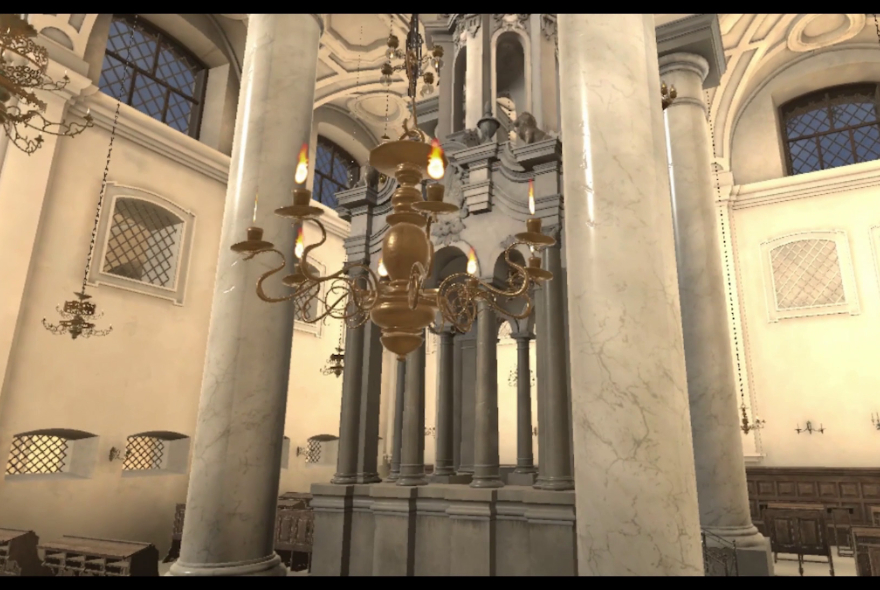
Reconstruction of the prayer hall. Visualization: Inlusion Company
The excavations uncovered a large number of tablets that marked the regular seats of worshippers in the synagogue. Some of them bore the names of women who prayed with the women, others bore the names of men, and other tablets marked seats designated for members of a large charitable organization that was involved in the management of the Jewish community of Vilnius.
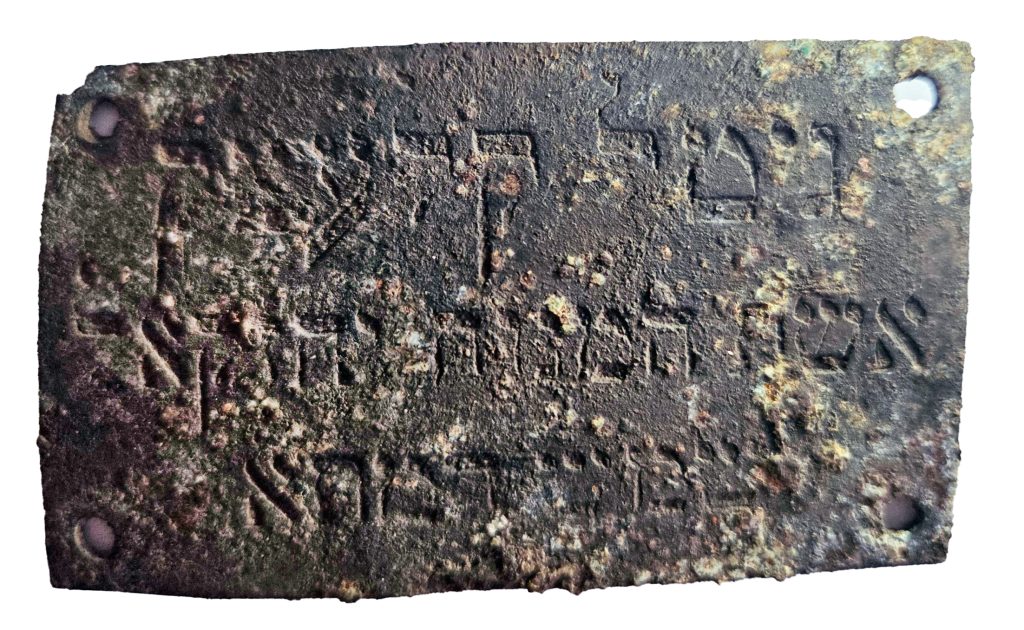
Marking the seat of "Gital Kletzek". Photo: John Seligman, Vilnius Great Synagogue Excavation Project and the Israel Antiquities Authority
One of the prominent plaques marked a moshav donated by "Gital Kletzek, wife of the late Yehezkel, Shemesh Damta" - meaning, the sun of the city. The Kletzek family was a wealthy and privileged family, who owned many businesses on the streets surrounding the Great Synagogue of Vilnius.
This Ezekiel was, apparently, a public official who served the Jewish community in the city.
Among the other finds discovered in the excavation, which testify to the religious and community life that took place in the synagogue over the years, was a small metal plaque engraved with the Ten Commandments.
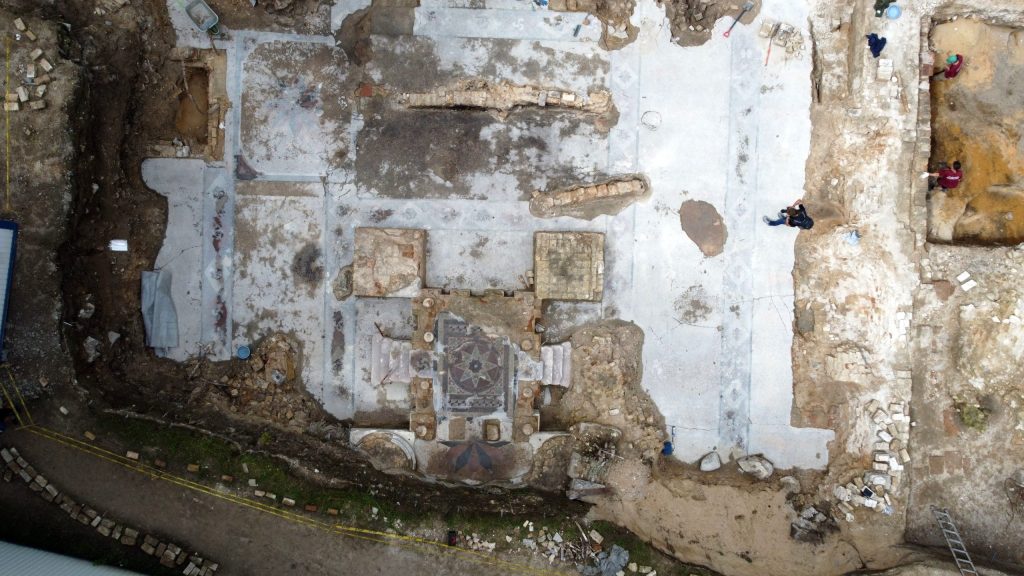
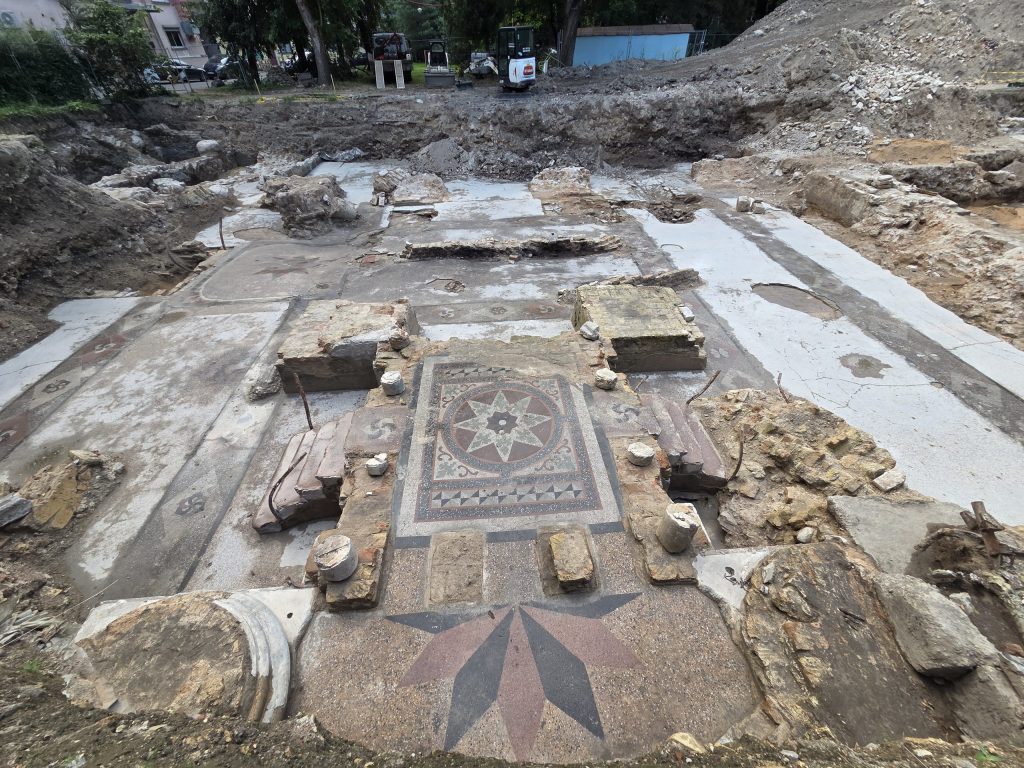
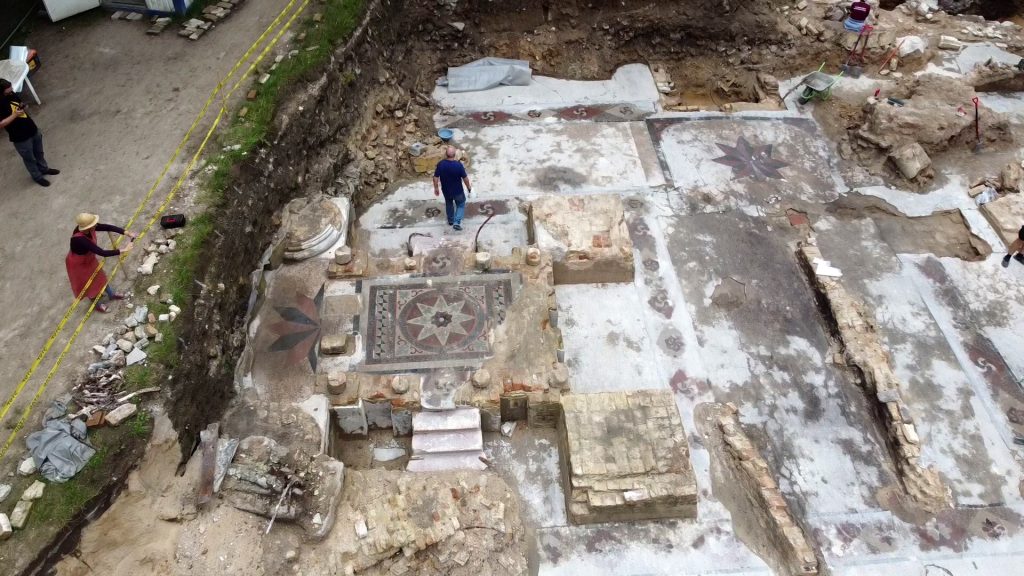
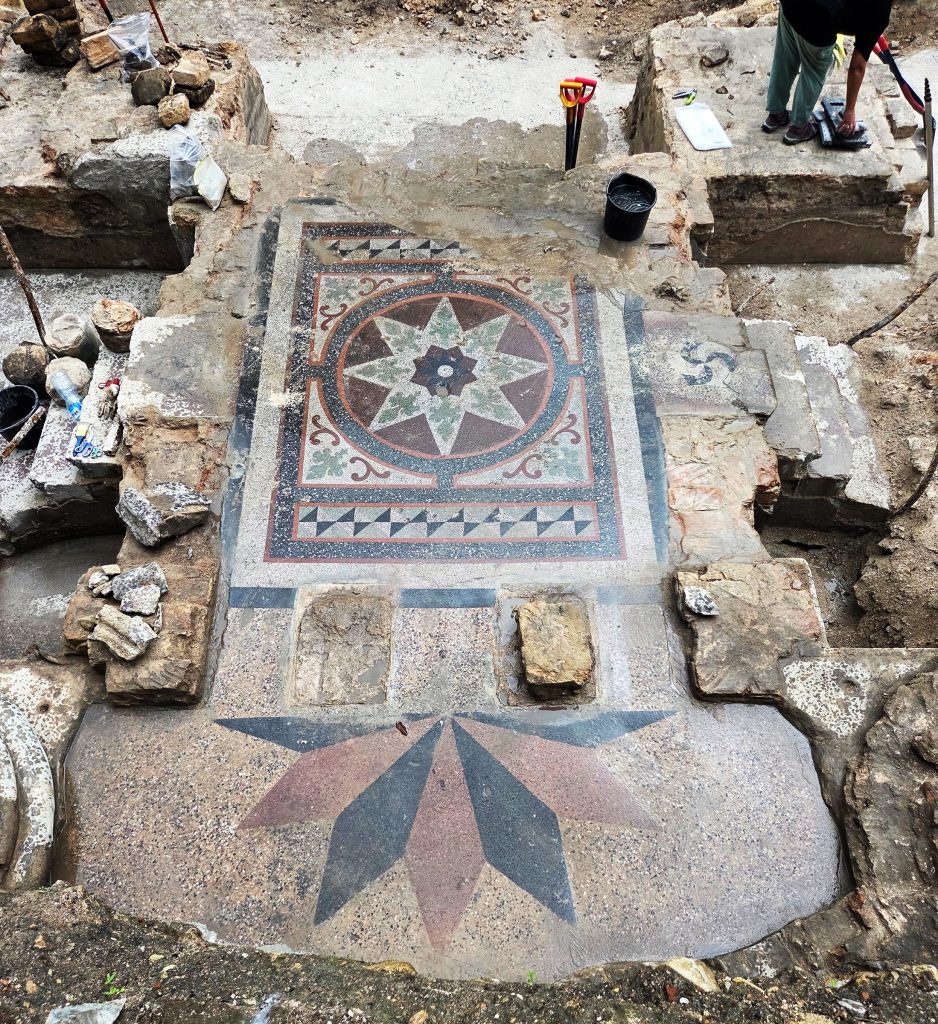
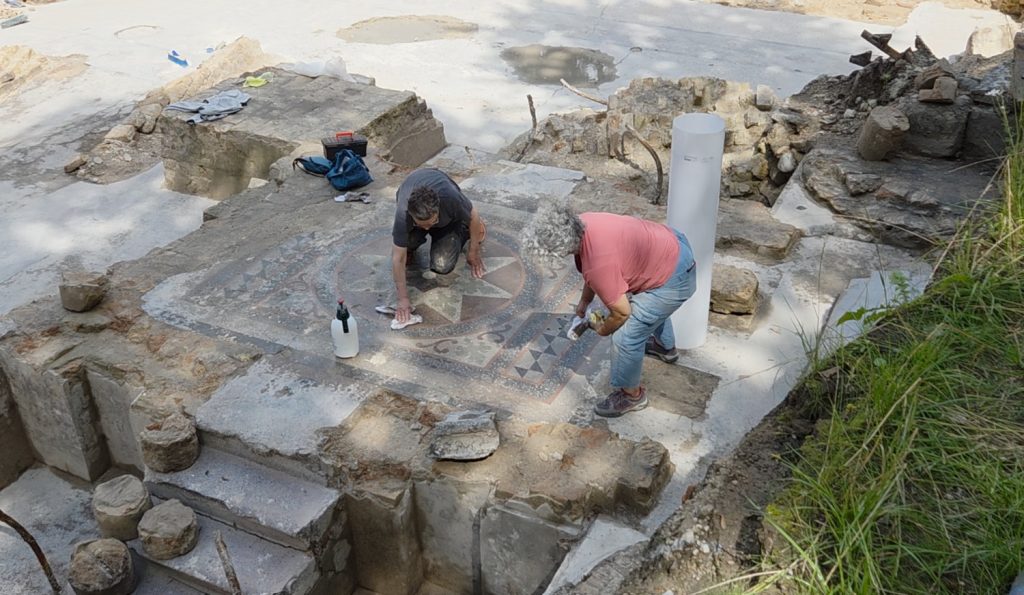

Photo credit: Rytis Tamulynas, Vilnius Great Synagogue Excavation Project, John Seligman, Vilnius Great Synagogue Excavation Project and the Israel Antiquities Authority