In our time, Tu B'Av has taken on a character associated with marriage. Indeed, this meaning appears in the Mishnah, which describes what the daughters of Israel would say regarding the essential foundation for building a Jewish home.
However, Tu B'Av has another important meaning – it is a day that symbolizes the transition from summer to winter, the nights begin to get longer, and the night is intended for engaging in Torah. Therefore, Tu B'Av reminds and inspires the need to increase Torah study, and the Sages promise a person the reward – "he will add life to his life.".
Shallowness of language
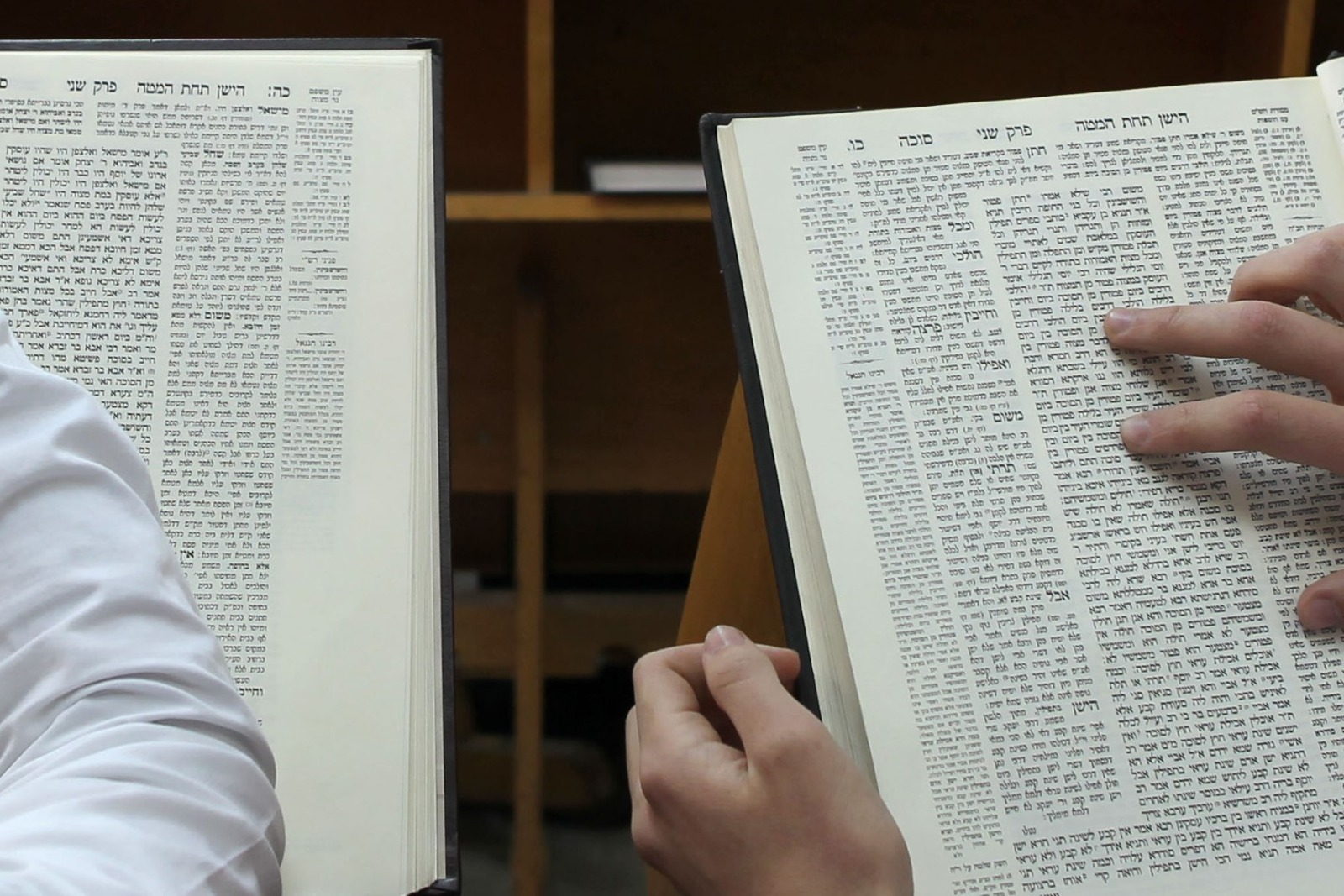
The Jewish people are called the "people of the book" because throughout the generations, every Jew felt a natural affinity with the world of books and learning. It was a common sight to enter the Beit Midrash in the evening and find all the craftsmen, merchants, and dignitaries of the city sitting there studying. This is the Gemara, this is the Mishnah, this is the Pentateuch, this is the Shulchan Aruch, and those who did not know how to study – read the Psalms.
This natural affinity for books made us the 'people of the book.' The common man on the street was full of verses, sages' sayings, and midrashim. His small talk was saturated with idioms from the sources, and was therefore richer and more valuable. This atmosphere educated the younger generation to love books and to want to learn, and thus the Jewish people distinguished themselves from the peoples around them, and their spiritual level was several degrees higher than theirs.
With the spiritual transformations that have befallen our people, large parts of the people have lost this natural approach to books. Listen to the words of those considered educated and respected, and you will hear a flat, shallow language, devoid of proverbs and sayings; a language that even a cart driver in the market used to be ashamed of. This atmosphere causes even people who are well-read to refrain from reciting a verse or proverb, for fear that the listeners will not understand its meaning.
Today, there is a noticeable awakening in the public and there is more understanding of the need to return to the Jewish bookcase. But to realize this, the mobilization of all who believe in the importance of the Torah is required. They must actually work to introduce it to all levels of the people.
House of Torah
Indeed, in recent years, Torah lessons have become a central part of the landscape. Today, there is no city in Israel that does not have hundreds of Torah lessons each week, in all Jewish subjects, for women and men, for beginners and advanced. However, not everyone is aware of the wide range of offerings available to them.
There are hundreds of thousands of Jews who want to learn and taste the springs of the Torah. You see their interest, you hear the questions they ask. Some of them may not go to a class in the synagogue, but if you offer them to study once a week at your home or theirs – they will be very happy. And don't say who I am and what I am. In view of the terrible ignorance that exists today, anyone who is able to open a book is a wise student.
Just as the body needs a constant supply of food, so too does the Jewish soul need daily nourishment, which is the Torah. When a Jew sets times for the Torah, he provides living water for his thirsty soul and receives renewed strength. His life is enriched by the inexhaustible wealth of the Torah, and he becomes a new person. Let us connect to the sources and satisfy our souls.